76% of people who search for a nearby business visit it within 24 hours.
Let that sit for a second.
Not within a week. Not "sometime soon." Within a single day. And yet, most small business owners are either not showing up in those searches at all, or worse, showing up below three competitors who figured this out before them.
Local SEO used to be relatively forgiving. You claimed your Google listing, added your address, maybe collected a few reviews, and you were ahead of the curve. That era is over. In 2026, the search landscape has shifted in fundamental, not cosmetic, ways. Google has quietly transformed from a search engine into an answer engine, and for local businesses, the difference is enormous.
This guide breaks down exactly what's changed, what it means for your business, and the specific moves that put you in front of customers who are already looking for what you offer.
What is local SEO — and why does it matter more than ever in 2026?
Local SEO is the practice of making your business easy to find when someone nearby searches for what you sell or offer. That sounds simple. Conceptually, it is. But the mechanics have become significantly more layered.
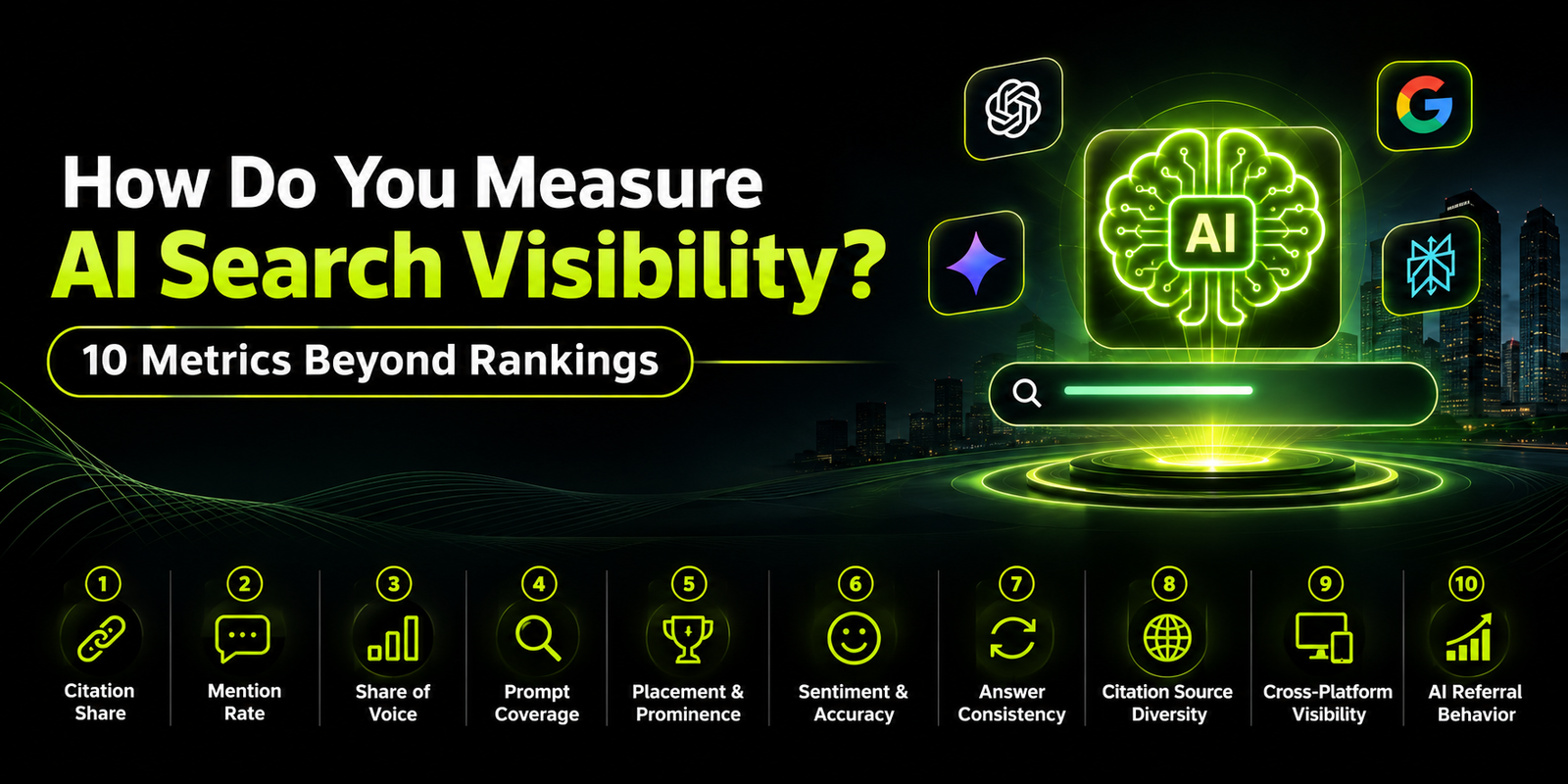
Here's what most people miss: your website ranking is no longer the whole game. In 2026, a customer searching "best CA firm near me" or "reliable digital marketing agency in Delhi" doesn't necessarily visit five websites and compare them. They get an AI-generated summary at the very top of Google, before any organic results, often before paid ads, that names two or three businesses and effectively says, these are the ones worth calling.
If your business isn't in that summary, you might as well not exist for that search.
60% of searches now end without a click. The user gets their answer directly on the results page, in what Google calls an AI Overview. For local businesses, this isn't a problem; it's actually an opportunity if you understand it. The businesses named inside those AI Overviews receive immediate, implicit endorsement from Google itself. The people who see them are not casual browsers. They're ready to act.
The shift from search engine to answer engine
Google's AI, powered by Gemini, analyses the intent behind a query, pulls together the most relevant and trustworthy business information it can find, and presents a confident answer. The businesses that appear in those answers aren't just the ones with the most backlinks. They're the ones Google trusts. Which means reviews matter. Consistency matters. How clearly you've communicated what you do, who you serve, and where you operate, all of it feeds into how confidently an AI system can recommend you.
In March 2026, Google also launched Ask Maps, a Gemini-powered conversational feature built directly into Google Maps. Instead of typing "Italian restaurant Pune," a user can now ask: "Find me a quiet Italian place for a business dinner near Koregaon Park with outdoor seating."
That is not a keyword. There's no exact-match phrase to stuff into your meta description.
Businesses that show up in responses like these have done the work to make their presence contextually rich: detailed service descriptions, active review conversations, consistent posting, and photos that actually show what the experience looks like. Voice queries work the same way. Your content needs to reflect how real humans talk about your business, not just the keywords you think they search.
How local intent turns searches into walk-ins and calls
There's a meaningful difference between someone searching "best SEO agency" and "best SEO agency in Jaipur." The second person is not exploring options globally. They want someone they can call. Someone local, accountable, reachable. The intent is miles ahead of the first query in terms of purchase readiness.
That's the core commercial value of local SEO. The traffic it drives is not curious, it's motivated.
When a potential customer searches for a dentist in their neighbourhood and Google's AI Overview shows your business name, rating, hours, and phone number, without them visiting your website at all, that's not a loss. That's a conversion that happened faster than any website visit could have enabled. They called you. Got directions. Saved your number. All without a single click to your site.
32% fewer businesses appear in AI local packs compared to traditional map packs. Less competition for the spots that matter most, but only for businesses that have earned the trust signals Google's AI is looking for.
The query types that reliably drive real-world visits follow a pattern. "[Service] near me", the classic high-intent search. "[Service] open now", even higher urgency; keep your GBP hours meticulously updated. "Best [service] [city]", review volume and response patterns determine who wins this one. It's not a coincidence that businesses with 200+ detailed reviews consistently outrank those with 30 and radio silence.
The 3 factors Google uses to rank local businesses
Google's local ranking algorithm evaluates every business on three dimensions: Relevance, Distance, and Prominence. Distance you can't control, Google knows where the user is and where you are. But relevance and prominence? Entirely in your hands.
- Relevance is about how clearly your business communicates its identity to Google. Your GBP description should read like it was written for a customer, not a crawler. Google's 2026 crackdown on keyword-stuffed business profiles has made manipulation actively counterproductive. Use specific service categories, write natural descriptions, and support everything with clear service pages on your website. Schema markup (LocalBusiness, Service, FAQ) makes all of this machine-readable for AI systems.
- Prominence is your reputation, measured algorithmically. Reviews are the most direct signal, but not just the star rating. In 2026, Gemini reads review text to understand what your business is actually known for. A 4-star review that says "best responsive web design team I've worked with in Lucknow" does more for your local authority than five stars and "Great service!!" The former contains entity evidence, specific expertise, and a specific location that AI uses to categorise and recommend to you.
Respond to every review. Not with a template. With a genuine, specific response that acknowledges what they said. Google tracks engagement on your profile; businesses that actively respond signal that they're operational, attentive, and worth recommending.
- Your Google Business Profile is your new homepage. Eight of the top ten local pack ranking signals come directly from it; nothing else in local SEO comes close. Active businesses win. Post weekly. Upload photos regularly. Keep hours current. For Ask Maps specifically, Gemini pulls directly from your GBP when answering conversational location queries. If your services aren't clearly described or your photos don't reflect your actual offering, you'll be passed over in favour of a competitor whose profile is more informative.
Local SEO vs paid ads — what actually works for small businesses?
The honest answer is: it depends on where you are in your business trajectory, and the strongest local brands in 2026 aren't choosing between them.
Local SEO is a compounding asset. The work you put in today, optimising your GBP, building review volume, and creating local content, accumulates over months and years. Once you've earned your position in the local pack or AI Overviews, appearing in those results costs you nothing per click. Organic and AI-cited results also carry an implicit endorsement. Customers know ads are paid placements. Being recommended by Google's AI without a sponsored label reads very differently.
That said, if you've just launched and need leads now, paid search, Google Local Service Ads specifically, can put you in front of high-intent searchers immediately. Seasonal campaigns and new service launches are also moments where paid ads earn their keep.
Think of paid ads as the accelerator and local SEO as the engine. You can rev an accelerator all you want, but without the engine, you're not going anywhere.
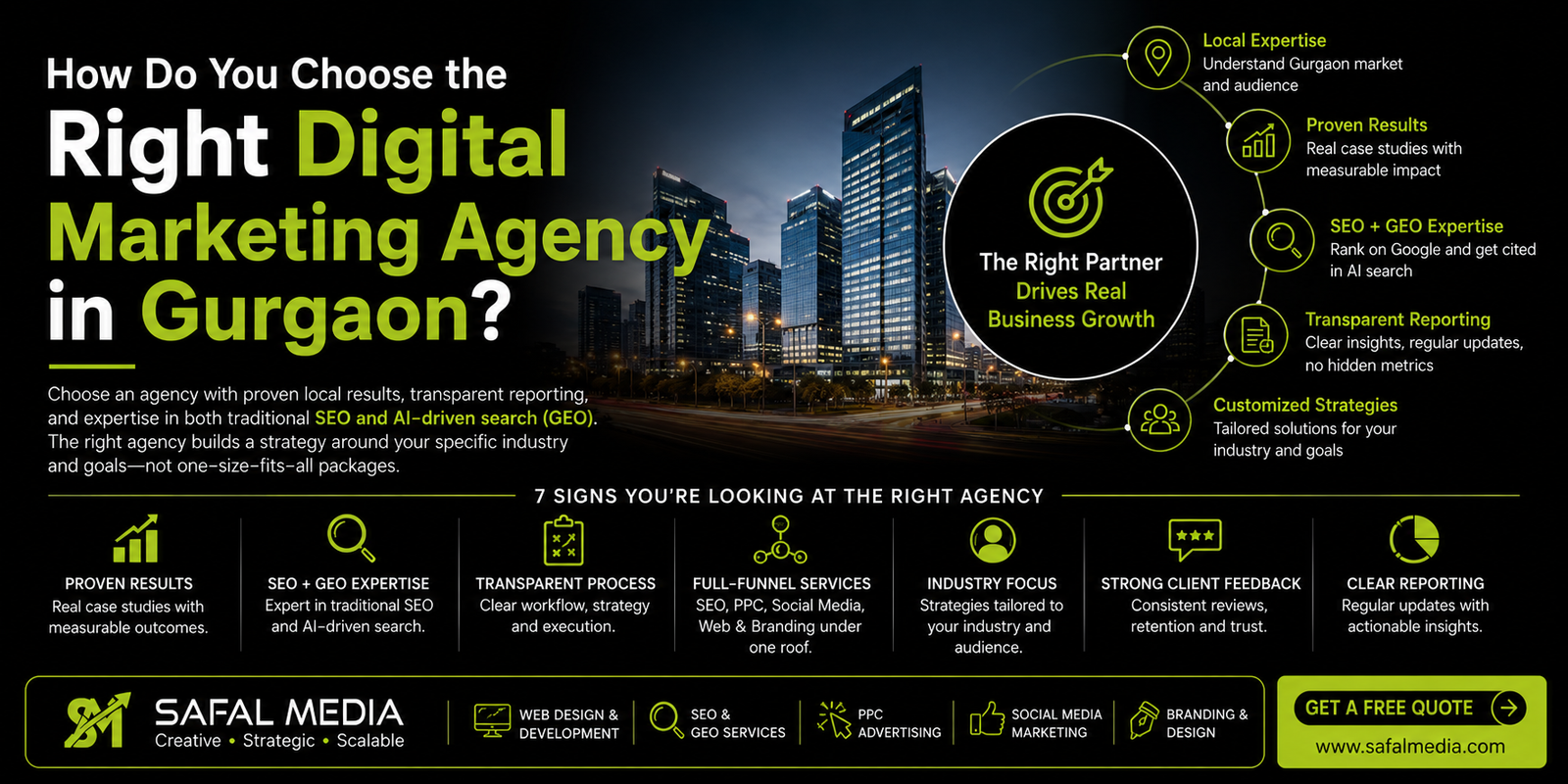
What to look for in a local SEO partner — and what Safal Media does differently
Most businesses don't fail at local SEO because they don't care. They fail because they hired someone who promised page-one rankings in 30 days, delivered a few directory submissions, and disappeared. The local SEO industry has more than its share of that.
Before signing anything, ask these questions: Can they show you results for businesses similar to yours, specific metrics, not vague case studies? Does their GBP management go beyond claiming and verifying a listing to include weekly posting, photo strategy, and review response protocols? Do they understand how Google AI Overviews work, and can they explain how they'd get your business cited in them? Most agencies are still optimising for the traditional map pack. The ones who understand AI selection signals are the ones whose clients are winning the highest-intent placements.
At Safal Media, we can answer every one of those questions with specifics, because they're the exact questions that shape how we work. If you're serious about getting more local customers, we'd like to show you what that looks like for your situation.
Conclusion
The customers you want are already searching. They're typing, speaking, and asking AI systems to recommend businesses like yours. The question is simply whether your business is the answer they're getting, or whether a competitor is.
Local SEO is not a one-time setup task. In 2026, it's an ongoing practice of building trust through relevance, active presence, and genuine reputation. The businesses that dominate local search over the next few years are the ones starting now. Not because they got lucky with an algorithm. Because they built something that Google and AI systems can confidently recommend.
Safal Media offers a free local SEO audit, no pitch, no pressure, to show you exactly where you stand and what the opportunity looks like for your business.